Birmingham

Why Birmingham Stands Out as a Leading Investment Market

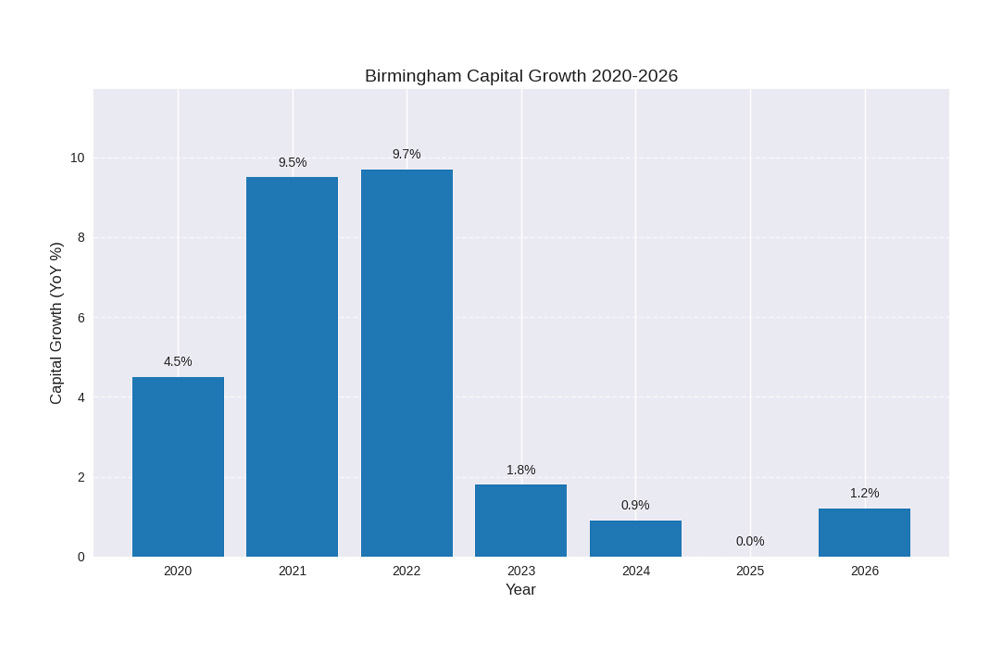
Birmingham remains one of the UK’s most compelling investment markets in 2026, supported by strong population growth, major infrastructure upgrades, and a resilient, diverse economy. Citywide gross rental yields average around 5.5%, with high‑demand pockets such as Selly Oak reaching up to 8%. Average rents of £1,080 and low vacancy rates underline the depth of tenant demand, while the expanding West Midlands Metro and the city’s central location continue to attract employers and residents alike.

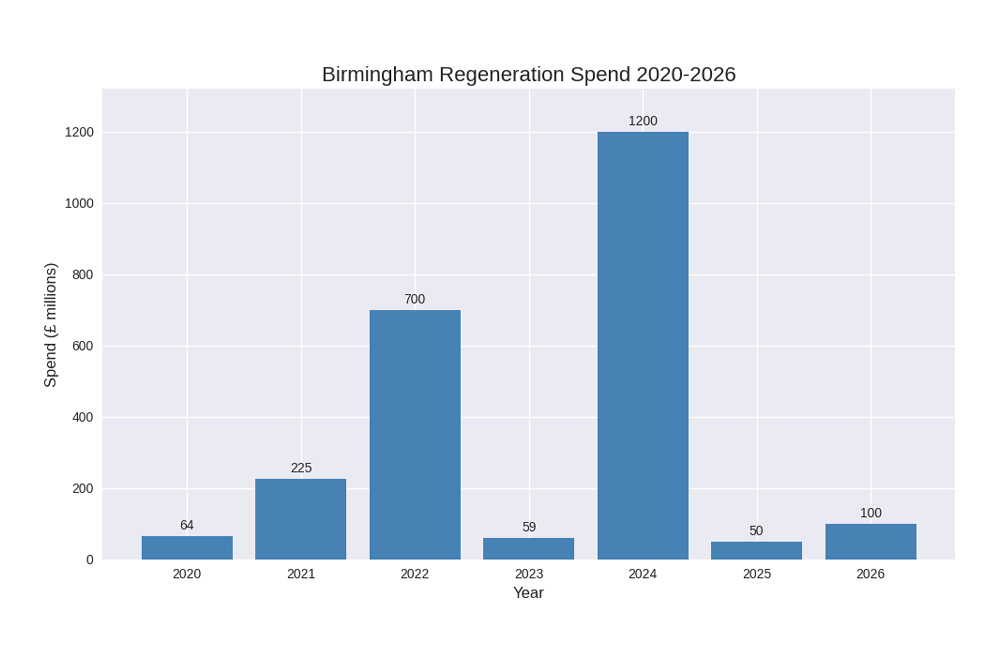
Regeneration is accelerating across the city, with Smithfield set to deliver a major new mixed‑use district beside the Bullring, bringing new homes, commercial space, and cultural venues. To the east, Digbeth is being reshaped by more than £11bn of planned investment, including the BBC’s move to Typhoo Wharf and new creative studios across the district. Positioned next to the HS2 Curzon Street gateway, Digbeth is emerging as one of Birmingham’s fastest‑growing neighbourhoods. Together, these schemes are redefining the city centre and reinforcing Birmingham’s long‑term investment appeal.

4.7%

Monthly rent increases 4.7% year‑on‑year, reflecting strong and sustained tenant demand

150,000+

Population increase expected by 2040

80,000

Student population in Birmingham in 2026

£1.9 Billion

Smithfield regeneration with further £11 billion of planned investment across the next decade
Birmingham Buy To Let Property Investment Guide

A Fast‑Growing Regional Powerhouse

Birmingham enters 2026 as one of the UK’s fastest‑growing regional economies, supported by steady inward investment, a large graduate workforce, and strong business diversity. The city added £1bn in economic output between 2022 and 2023, with growth driven by professional services, tech, advanced manufacturing, and the creative industries. With 20,000 graduates each year and one of the highest business start‑up rates outside London, Birmingham continues to attract companies seeking affordability, connectivity, and skilled talent. Regeneration is amplifying this momentum, with major schemes expected to create up to 100,000 new jobs and reshape the city’s economic core. Flagship projects such as Smithfield, the Digbeth Creative Quarter, and the expanding Knowledge Quarter are delivering new commercial districts, cultural assets, and innovation hubs. Together, these developments are strengthening Birmingham’s long‑term economic fundamentals and reinforcing its position as a resilient, future‑focused city for residents, businesses, and investors.

HS2 and Birmingham: A Game‑Changing Shift for Connectivity and Demand

HS2 is set to reshape Birmingham’s position in the UK, with the new Curzon Street station dramatically improving national connectivity and reinforcing the city as the country’s most important regional hub. Even with the revised scope of the wider HS2 programme, the Birmingham section remains fully committed, cutting journey times to London to around 49 minutes and bringing millions of people within easier reach of the city. This uplift in accessibility is expected to drive significant population growth, attract new employers, and increase the flow of young professionals seeking high‑quality rental homes close to the city centre. For investors, the impact is clear: improved transport links, rising tenant demand, and long‑term upward pressure on both rents and capital values, particularly in districts surrounding Curzon Street, Digbeth, and Eastside.

Request Birmingham's Insider Property Investment Guide...

Birmingham Property Investment Guide

Discover why Birmingham is rapidly strengthening its position as a high‑growth property market. This guide highlights the fundamentals shaping the city’s trajectory, large‑scale regeneration, strong rental demand, expanding business districts and a robust pipeline, so you can make informed, well‑timed investment moves.