
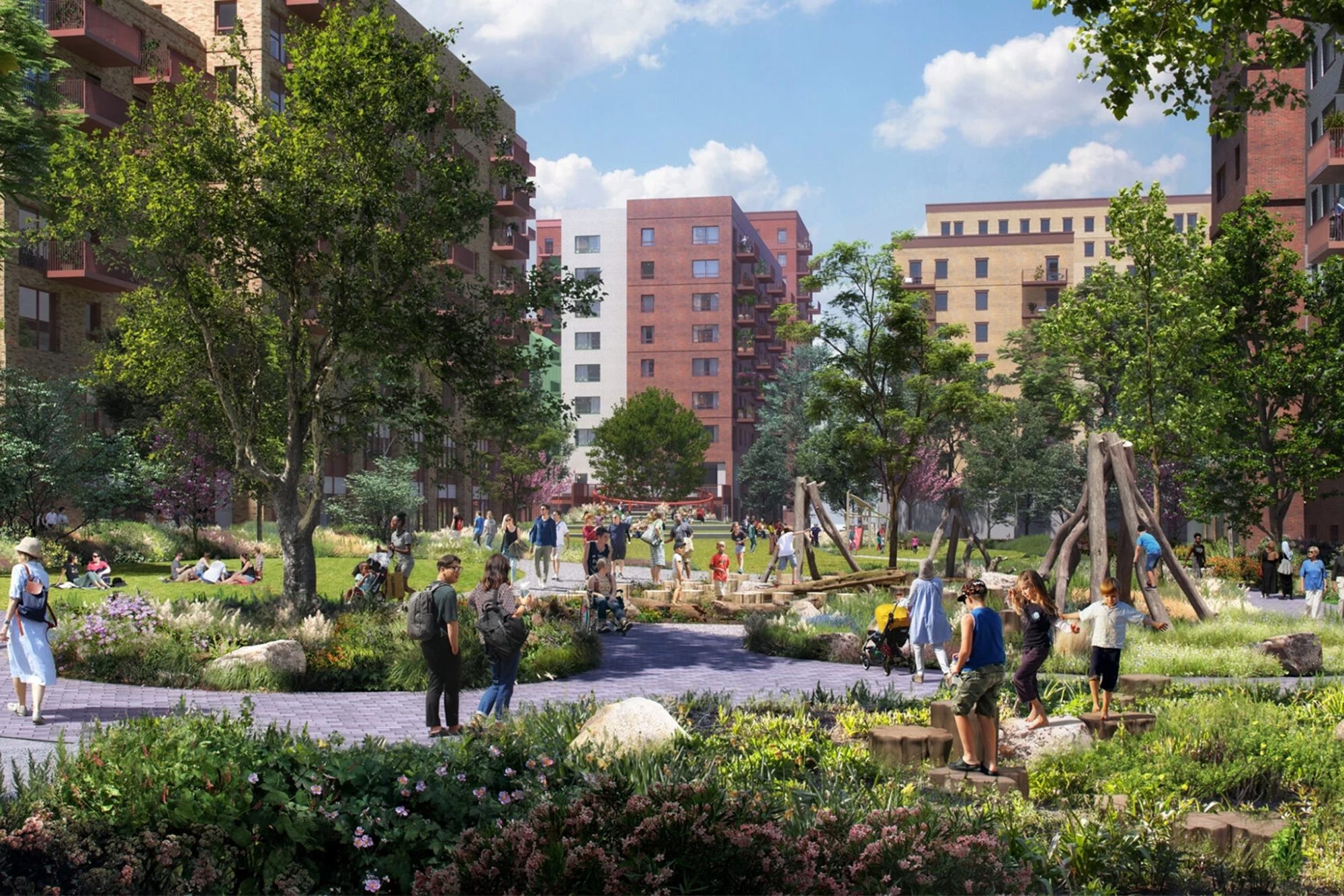
In recent years, luxury city centre accommodation has undergone a noticeable shift. Beyond high‑end finishes, concierge services and premium amenities, developers are increasingly placing green spaces at the heart of their design strategies. This trend is not cosmetic; it is rooted in a growing body of evidence linking access to nature with improved wellbeing, stronger community cohesion and enhanced tenant satisfaction. For young professionals in particular, the presence of thoughtfully designed green areas has become a defining factor when choosing where to live.
As urban populations grow and city centres become denser, the value of green spaces has never been clearer. Developers are responding by integrating landscaped courtyards, rooftop gardens, pocket parks and biophilic design elements into their schemes. The result is a new generation of residential developments that balance urban convenience with the restorative qualities of nature.
The Wellbeing Imperative: Why Green Spaces Matter
The connection between green spaces and wellbeing is well established. Research consistently shows that access to nature reduces stress, improves mental health and encourages physical activity. A major longitudinal study published in The Lancet Planetary Health found that adults living in areas with higher levels of ambient greenness had significantly lower odds of developing common mental health disorders, including anxiety and depression. The study, which analysed data from more than 2.3 million adults over a ten‑year period, concluded that increased exposure to green spaces was associated with a measurable reduction in mental health risks .
This evidence aligns with broader UK findings. According to official statistics from the Department for Environment, Food & Rural Affairs (Defra), 80% of households in England have access to at least one green or blue space within a 15‑minute walk, a benchmark known as the “15‑minute commitment” . However, access is not evenly distributed. Urban households have significantly less access (78%) compared to rural households (91%), highlighting the importance of integrating green spaces directly into city centre developments.
For residents living in high‑density environments, these spaces offer a vital counterbalance to the pressures of urban life. They provide opportunities for relaxation, exercise, social interaction and quiet reflection, activities that contribute to improved mental and physical health.
Why Young Professionals Prioritise Green Spaces
Young professionals now make up a substantial proportion of city centre renters, particularly in major UK cities such as Manchester, Birmingham and Leeds. This demographic is highly attuned to lifestyle quality, work‑life balance and wellbeing. As hybrid and remote working patterns continue, the home environment has become more important than ever.
Green spaces appeal to young professionals for several reasons:
1. Mental Health and Stress Reduction High‑pressure careers, long working hours and digital overload have made mental wellbeing a priority. Green spaces offer a natural antidote, providing calm, restorative environments that help reduce stress and improve focus.
2. Physical Activity and Healthy Living Access to outdoor areas encourages walking, running, yoga and other forms of exercise. With sedentary lifestyles on the rise, these spaces support healthier daily routines.
3. Social Connection Landscaped communal areas create opportunities for residents to meet, socialise and build a sense of community, an increasingly important factor for young professionals relocating to new cities.
4. Aesthetic and Lifestyle Appeal Greenery enhances the visual appeal of a development, making it feel more premium, more inviting and more aligned with contemporary lifestyle expectations.
5. Environmental Awareness Sustainability is a key value for younger generations. Developments that incorporate green roofs, biodiversity features and eco‑friendly landscaping resonate strongly with environmentally conscious tenants.
The Developer Perspective: Why Green Spaces Add Value
From a developer’s standpoint, integrating green spaces is not simply a design choice, it is a strategic investment that enhances the desirability, marketability and long‑term value of a scheme.
1. Increased Rental Demand and Premium Pricing Properties with access to high‑quality green spaces consistently command higher rents and attract longer‑term tenants. As wellbeing becomes a core priority, developments that offer nature‑rich environments stand out in competitive city centre markets.
2. Enhanced Resident Retention Green spaces improve resident satisfaction, which in turn reduces turnover. Lower churn rates mean more stable occupancy and stronger long‑term returns for investors.
3. Meeting Planning and Sustainability Requirements Local authorities increasingly encourage or mandate the inclusion of green infrastructure in new developments. Incorporating green spaces helps developers meet planning expectations while contributing to wider environmental goals.
4. Future‑Proofing Against Market Shifts As cities become denser and outdoor space becomes scarcer, developments with integrated green areas will hold a competitive advantage. They are better positioned to meet future tenant expectations and evolving lifestyle trends.
The Science Behind Green Spaces and Wellbeing
The benefits of green spaces extend beyond aesthetics. Scientific research highlights several mechanisms through which nature positively influences wellbeing:
Reduced Stress Levels Exposure to greenery lowers cortisol levels, the hormone associated with stress. Even brief interactions with nature, such as sitting in a landscaped courtyard, can have measurable calming effects.
Improved Cognitive Function Natural environments help restore attention and reduce mental fatigue. This is particularly relevant for young professionals working from home or in cognitively demanding roles.
Better Physical Health Green spaces encourage movement, which reduces the risk of cardiovascular disease. Evidence suggests that areas with more accessible green space are associated with lower mortality rates from cardiovascular conditions .
Enhanced Social Wellbeing Shared outdoor areas foster community interaction, reducing feelings of isolation and improving overall life satisfaction.
How Developers Are Integrating Green Spaces into Urban Living
Modern luxury developments are embracing a wide range of green design strategies, including:
- Rooftop gardens with seating and planting
- Landscaped podium decks and courtyards
- Pocket parks and micro‑gardens
- Green walls and biophilic interior design
- Communal allotments and herb gardens
- Tree‑lined walkways and shaded seating areas
These features not only enhance wellbeing but also contribute to biodiversity, reduce urban heat, improve air quality and support sustainable drainage.
A New Standard for Luxury Living
The emphasis on green spaces reflects a broader shift in what luxury city centre living means today. It is no longer defined solely by high‑end interiors or exclusive amenities. Instead, it encompasses a holistic approach to lifestyle, wellbeing and environmental quality.
For tenants, especially young professionals, green spaces are not optional extras; they are essential components of a balanced, healthy and fulfilling urban life. For developers, they represent a powerful differentiator that enhances value, strengthens demand and aligns with long‑term sustainability goals.
Looking to add high return property investment units to your portfolio? Speak to our advisors today on 0161 515 0889.