
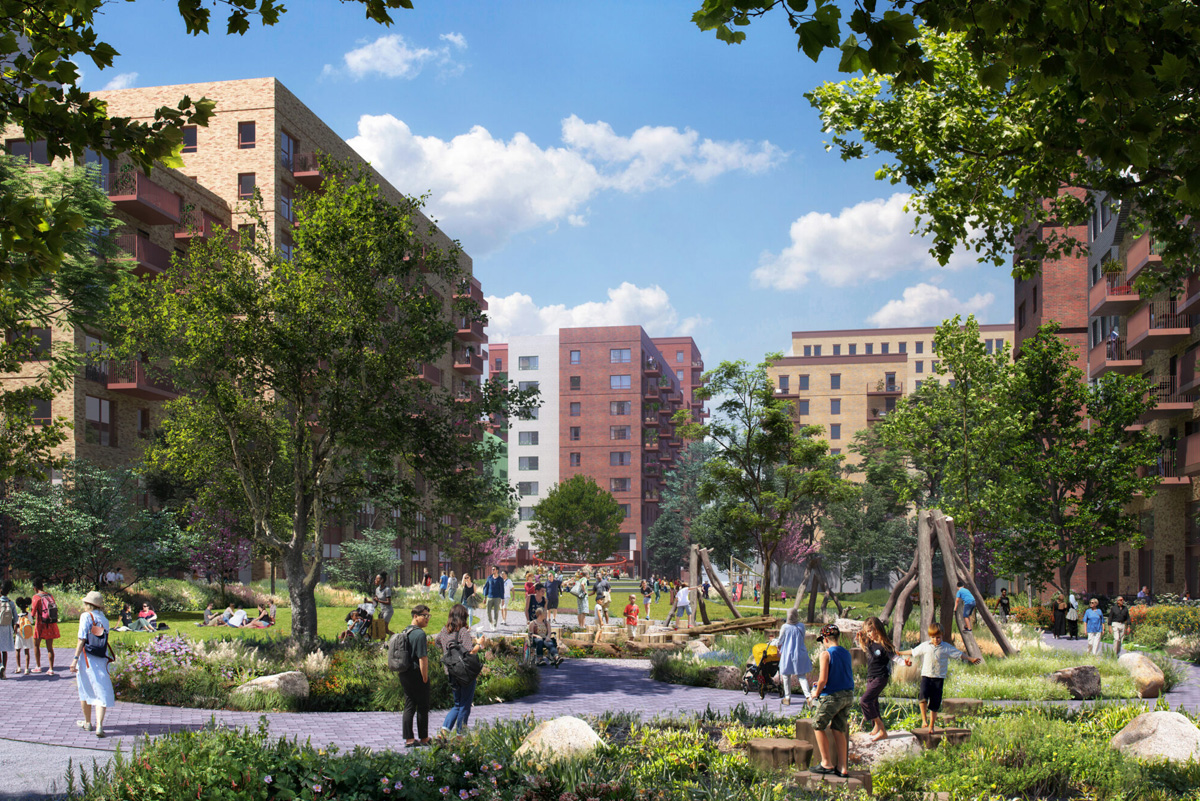
As the UK property market continues to evolve, investors are increasingly looking beyond traditional indicators such as affordability, rental yields and transport links. Today, one of the most influential factors shaping investment decisions is placemaking. Cities that prioritise vibrant, people centred environments and high quality green spaces are seeing increased demand from both residents and businesses, creating stronger foundations for long term property growth.
For property investors, understanding how placemaking influences urban development can provide valuable insight into where future opportunities are likely to emerge.
What is Placemaking?
Placemaking is the process of designing and managing spaces that improve the quality of life for local communities. It focuses on creating destinations where people want to live, work and spend their leisure time.
Rather than concentrating solely on buildings and infrastructure, placemaking considers how people interact with their surroundings. Successful placemaking initiatives often include:
- Attractive public squares and community spaces
- Enhanced pedestrian and cycling routes
- Improved cultural and leisure amenities
- High quality public realm design
- Sustainable development principles
- Accessible parks and green spaces
The goal is to create environments that foster a strong sense of identity, community and wellbeing.
The Growing Importance of Green Spaces
Green spaces have become one of the defining features of successful urban regeneration projects across the UK. Parks, landscaped public areas and urban gardens are no longer viewed as optional additions. They are increasingly recognised as essential components of thriving communities.
Following the shift towards flexible working and greater awareness of health and wellbeing, residents place significant value on easy access to outdoor spaces. This demand has encouraged local authorities and developers to integrate green infrastructure into major regeneration plans.
Cities that invest in green spaces often experience:
- Higher residential demand
- Increased footfall for local businesses
- Improved environmental performance
- Enhanced public health outcomes
- Greater community engagement
- Stronger long term property appeal
For investors, these factors can contribute to improved tenant retention and stronger capital growth prospects.
How Placemaking Increases Property Values
Properties located within desirable neighbourhoods frequently command premium prices. However, what makes a neighbourhood desirable has changed significantly over the past decade.
Modern buyers and tenants increasingly prioritise lifestyle factors. Access to attractive parks, walkable streets, independent businesses and community facilities can influence purchasing decisions as much as traditional considerations.
When placemaking strategies are implemented effectively, they can create a positive cycle of investment:
- Public investment improves the local environment.
- Residents are attracted to the area.
- Businesses follow growing demand.
- Employment opportunities increase.
- Property demand rises.
- Values and rental performance strengthen.
This process has been evident in a number of UK cities where regeneration has transformed previously overlooked districts into highly sought after locations.
Manchester: A Leading Example of Urban Transformation
Manchester has become one of the UK’s standout examples of placemaking driven regeneration. Areas such as Ancoats, New Islington and parts of Salford have undergone significant transformation through investment in public realm improvements, waterside spaces and community focused developments.
The creation of high quality public spaces, alongside improved infrastructure and cultural attractions, has played a major role in attracting both residents and businesses. As these neighbourhoods have matured, property values and rental demand have strengthened, providing investors with compelling long term opportunities.
The city’s continued commitment to green infrastructure and sustainable growth is helping maintain its position as a leading investment destination.
Birmingham’s Focus on Connected Communities
Birmingham has also embraced placemaking as part of its extensive regeneration strategy. Major projects around the city centre have prioritised walkability, public spaces and mixed use development.
The transformation of key districts has contributed to increased residential demand while creating more appealing environments for businesses and visitors. New green spaces and enhanced public realm initiatives are supporting Birmingham’s ambition to attract both investment and talent.
As regeneration continues, investors are monitoring areas benefiting from these improvements, recognising the long term value created by well planned urban environments.
The Rise of Sustainable Investment Locations
Environmental, social and governance considerations are becoming increasingly important across the property sector. Investors now recognise that sustainable, well designed communities often demonstrate greater resilience and long term desirability.
Developments that incorporate:
- Extensive green spaces
- Biodiversity initiatives
- Sustainable transport options
- Community facilities
- Energy efficient design
are often better positioned to meet future demand.
As local authorities continue to prioritise sustainable growth, placemaking is expected to play an even larger role in shaping investment hotspots throughout the UK.
Why Investors Should Pay Attention to Placemaking
Strong property investment is about more than identifying the cheapest entry point or the highest short term yield. Long term success often comes from understanding where people genuinely want to live.
Placemaking helps create environments that attract residents, businesses and visitors alike. Well maintained green spaces, vibrant public areas and thoughtfully designed communities contribute to stronger local economies and more sustainable property markets.
For investors, these characteristics can indicate locations with greater potential for future growth, tenant demand and capital appreciation.
Placemaking has become a key driver of urban success across the UK. Cities that invest in creating attractive, sustainable and community focused environments are increasingly attracting both residents and property investors.
Green spaces sit at the heart of this transformation, enhancing quality of life while supporting economic growth and long term property demand. As regeneration projects continue to reshape cities such as Manchester and Birmingham, investors who understand the value of placemaking may be better positioned to identify the opportunities of tomorrow.
For those seeking long term property investment potential, it is worth looking beyond the buildings themselves and considering the quality of the places being created around them. After all, successful property investment is often closely linked to successful place creation.