
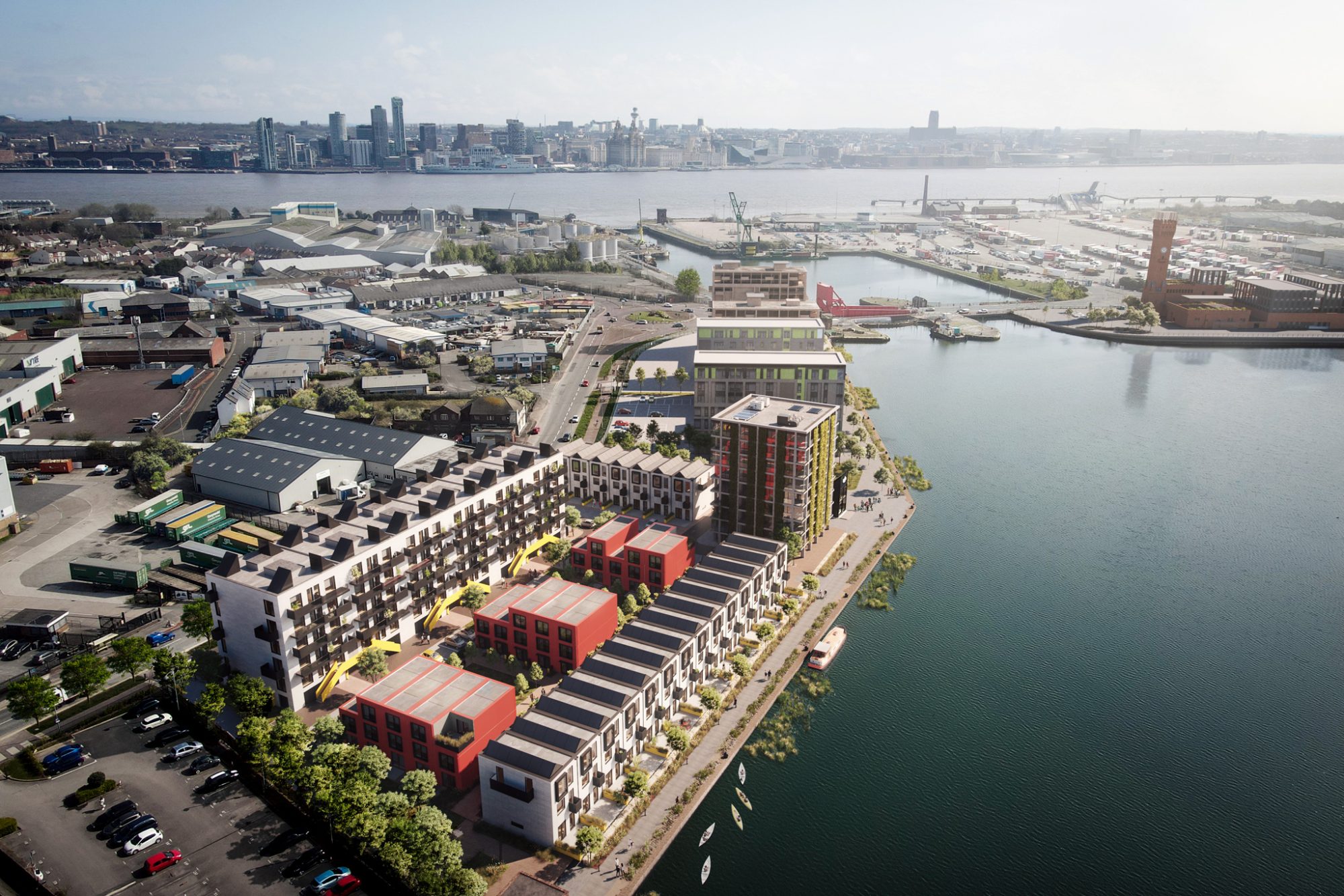
Waterfront Property Investment has become one of the most resilient and in‑demand asset classes in the UK rental market. From Salford Quays to Liverpool’s world‑famous waterfront and the rapidly evolving Wirral docklands, waterside regeneration has reshaped entire districts, attracted young professional tenants, and delivered strong returns for landlords. As urban living continues to shift towards lifestyle‑led choices, waterfront locations consistently outperform their non‑waterside counterparts in both rental demand and long‑term capital growth.
This article explores why renters—particularly young professionals—are drawn to waterfront living, how major North West regeneration schemes have transformed local markets, and what statistical indicators reveal about landlord performance in these areas.
The Lifestyle Appeal of Waterfront Living
Waterside homes have always carried a certain prestige, but the modern rental market has amplified their appeal. Today’s renters, especially those in their twenties and thirties, prioritise wellbeing, convenience, and access to high‑quality amenities. Waterfront districts deliver all three.
Why renters choose waterfront locations
- A sense of calm within the city Waterside settings offer open views, natural light, and walking routes that create a more relaxed environment than dense urban blocks.
- Proximity to employment hubs Many waterfront regeneration zones sit beside major business districts, reducing commute times and supporting hybrid working lifestyles.
- Modern, energy‑efficient developments Regeneration typically brings new‑build apartments with strong EPC ratings, concierge services, co‑working spaces, and integrated retail and leisure.
- A lifestyle‑led environment Cafés, gyms, cultural venues, and waterfront promenades create a neighbourhood feel that appeals strongly to young professionals.
This demographic shift has made waterfront districts some of the most competitive rental markets in the North West.
Salford Quays: A Flagship of UK Waterside Regeneration
Salford Quays is widely regarded as one of the UK’s most successful regeneration stories. Once a declining dockland following the closure of Manchester Docks in 1982, the area has been transformed into a thriving residential and commercial destination anchored by MediaCityUK.
Regeneration highlights
- Creation of MediaCityUK, home to the BBC, ITV, and hundreds of digital and creative firms
- Major cultural institutions including The Lowry and Imperial War Museum North
- Extensive transport upgrades, including Metrolink expansion
- A new regeneration framework outlining 3,000 additional homes and 75,000 sq m of commercial space
Impact on tenant demand
The presence of high‑value employers has created a strong young professional tenant base. These renters prioritise:
- High‑spec apartments
- Fast access to Manchester city centre
- A waterfront lifestyle with cultural and leisure amenities
As a result, occupancy rates in modern developments remain consistently high, and rental growth has outpaced many non‑waterside districts.
Benefits for landlords
Regeneration has “significantly boosted the local economy by attracting investment, creating jobs, and increasing property values.” This has translated into:
- Strong rental premiums for waterfront units
- Lower void periods
- Long‑term capital appreciation driven by ongoing development
Salford Quays is now considered one of Greater Manchester’s most stable and future‑proofed investment micro‑markets.
Liverpool Waterfront: A Global Landmark with Local Rental Strength
Liverpool’s waterfront is internationally recognised, but its regeneration over the past two decades has also delivered substantial benefits for local renters and investors. The areas surrounding the Albert Dock, Liverpool Waters, and the Baltic Triangle have seen billions of pounds of investment, transforming former industrial land into vibrant mixed‑use neighbourhoods.
Why young professionals choose Liverpool’s waterfront
- Walkable access to the city centre
- High‑quality new‑build apartments
- A thriving cultural and nightlife scene
- Proximity to major employers in digital, creative, and professional services
Investor outcomes
Liverpool’s waterfront regeneration has historically delivered strong rental yields compared with many southern UK cities. While yields vary by postcode and development, the combination of:
- Lower entry prices
- High rental demand
- Strong regeneration momentum
has made the waterfront one of the most attractive areas for portfolio landlords seeking both yield and long‑term growth.
Wirral Waters: The North West’s Emerging Waterfront Opportunity
The Wirral has undergone quieter but equally meaningful regeneration, particularly around Birkenhead and the Wirral Waters masterplan. This long‑term project aims to transform former docklands into a modern residential and commercial district, creating thousands of homes and new employment zones.
Appeal to renters
For young professionals priced out of Liverpool city centre or seeking a more relaxed lifestyle, the Wirral offers:
- Waterfront living at more accessible price points
- Easy access to Liverpool via Merseyrail
- A growing pipeline of modern developments
Investor advantages
Early investors have benefited from:
- Lower acquisition costs
- Strong rental demand from commuters and local professionals
- The potential for long‑term capital uplift as regeneration progresses
As the Wirral Waters masterplan continues to evolve, the area is increasingly recognised as a strategic investment location.
Why Young Professionals Drive Waterfront Rental Markets
Across Salford, Liverpool, and the Wirral, a consistent demographic trend emerges: young professionals form the backbone of waterfront rental demand.
This group typically values:
- Connectivity: Quick access to employment hubs
- Lifestyle: Cafés, gyms, waterfront walks, cultural venues
- Modern living: Energy‑efficient buildings, co‑working spaces, concierge services
- Community: Regeneration zones often create neighbourhoods with a strong identity
Waterfront districts are designed with these priorities in mind, making them natural hotspots for this demographic.
Statistical Indicators of Landlord Success
While each development performs differently, several regeneration‑driven indicators demonstrate how landlords have benefited:
- Increased property values Salford Quays regeneration has “significantly boosted the local economy… increasing property values.”
- High tenant demand MediaCityUK’s expansion continues to attract thousands of workers, supporting strong rental uptake.
- Ongoing development pipeline The Salford Quays framework includes 3,000 new homes and major commercial expansion, reinforcing long‑term demand.
- Cultural and employment anchors The presence of BBC, ITV, and major cultural venues has created a stable, high‑income tenant base.
These factors collectively contribute to:
- Reduced void periods
- Strong rental premiums for waterfront units
- Long‑term capital appreciation
For landlords, waterfront districts offer a blend of stability and growth that is increasingly rare in the wider UK market.
The Future of Waterfront Property Investment
With continued regeneration, improved transport links, and sustained demand from young professionals, Waterfront Property Investment in the North West remains a compelling long‑term strategy. Salford Quays continues to expand, Liverpool’s waterfront is evolving through new cultural and residential projects, and the Wirral is emerging as a major regeneration zone.
For investors seeking resilient rental demand, strong tenant demographics, and the lifestyle appeal that modern renters prioritise, waterfront locations offer a strategic advantage.
Speak to our property investment consultants about opportunities currently available in Salford Quays, Manchester and Liverpool. Contact us today.