
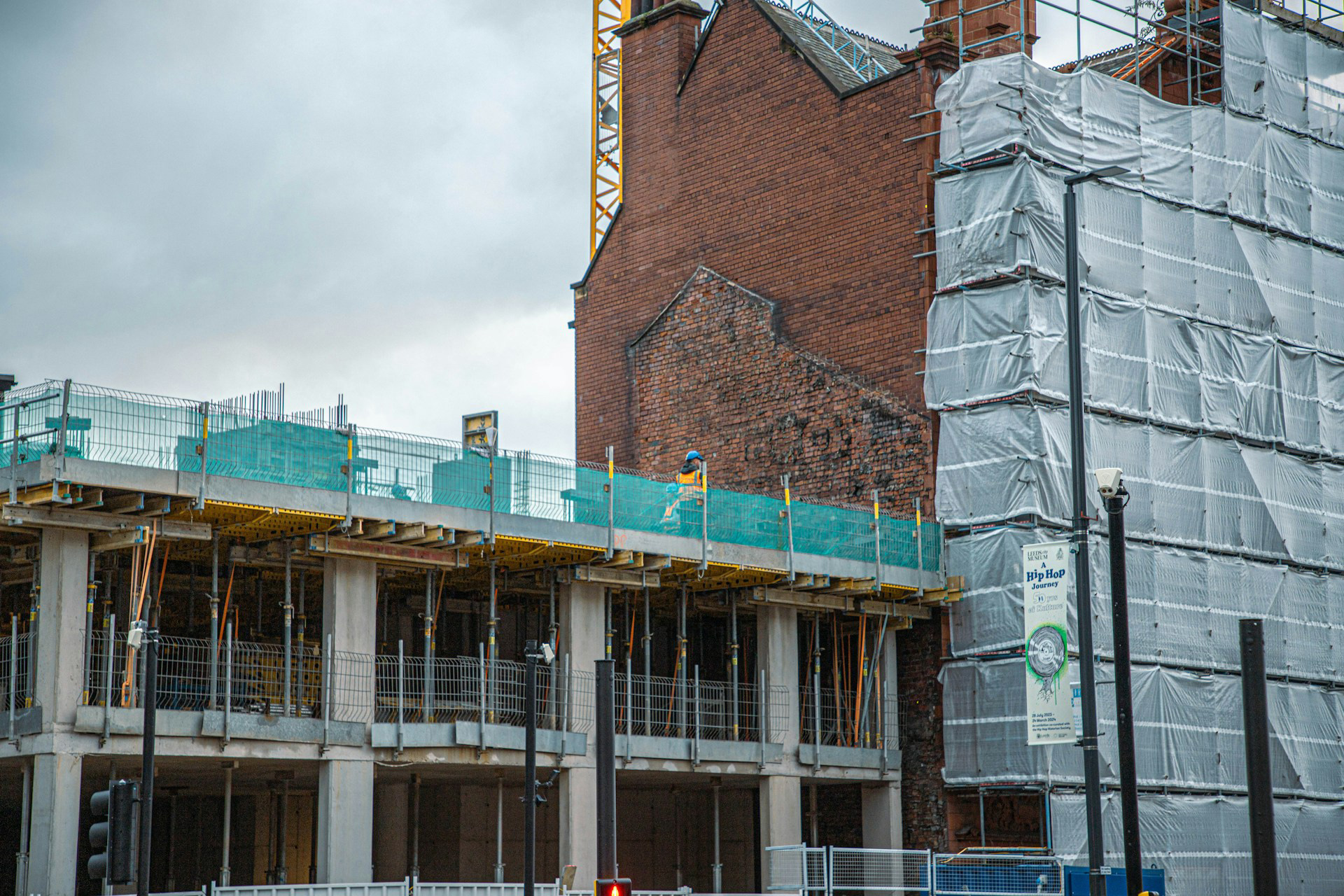
Commercial‑to‑residential conversions have become one of the most significant trends shaping the UK property market in 2026. As shifting occupier demand, planning reform and energy‑efficiency pressures converge, older commercial buildings are increasingly being repurposed into modern residential schemes. For investors, this presents a rare combination of discounted acquisition pricing, strong rental demand and clear long‑term value creation.
Why Conversions Are Accelerating
The pace of commercial‑to‑residential conversions has increased sharply over the past year. Several structural factors are driving this shift:
- Permitted development reform – Recent changes have simplified the conversion process, reducing planning risk and shortening delivery timelines.
- Office oversupply – Many secondary office buildings are struggling with occupancy, making them prime candidates for repurposing.
- Energy‑efficiency requirements – Older commercial stock often requires costly upgrades to meet modern EPC standards, making conversion more viable than refurbishment.
- Urban rental demand – City‑centre rental markets remain exceptionally strong, with tenants prioritising location, transport access and modern amenities.
These factors have created a clear incentive for investors to target commercial assets with conversion potential, especially in regional cities where demand continues to outstrip supply.
The Investor Advantage
Commercial‑to‑residential conversions offer several advantages that are particularly relevant in the current market:
- Lower entry pricing – Secondary commercial assets often transact below residential values, creating immediate uplift potential once conversion is complete.
- Reduced competition – Institutional investors have been slower to re‑enter the conversion space, giving private investors a window of opportunity.
- Strong rental resilience – Converted residential units in well‑located urban areas typically achieve high occupancy and above‑average rental growth.
- Clear exit strategies – Investors can retain units for rental income, sell individually, or exit as a block depending on market conditions.
In a lending environment where credit remains tight, well‑structured conversion projects can also attract specialist finance, bridging loans and development funding from alternative lenders who understand the sector.
Regional Cities Leading the Trend
Manchester, Liverpool, Leeds and Birmingham are at the forefront of the conversion boom. Each city has a significant supply of older commercial buildings, strong rental demand and active regeneration pipelines that support residential delivery.
Manchester continues to see conversions around Piccadilly, the Northern Quarter and fringe districts where office stock is ageing and residential demand remains high.
Liverpool is experiencing momentum in the Knowledge Quarter and Ropewalks, where commercial vacancy has created opportunities for repurposing.
Leeds benefits from South Bank regeneration and a growing professional tenant base, making conversions particularly attractive.
Birmingham is seeing increased activity around Digbeth and the wider city centre, supported by infrastructure investment and demographic growth.
In each case, conversions are helping cities meet housing demand while revitalising under‑performing commercial stock.
What This Means for Investors Working with Cornerstone Property Partners
For investors seeking value‑add opportunities, commercial‑to‑residential conversions offer a strategic route to stronger returns. Cornerstone Property Partners can support investors by:
- Identifying viable commercial assets with strong conversion potential
- Assessing planning routes and permitted development eligibility
- Providing guidance on development finance and lender requirements
- Offering insight into rental demand and exit strategies across regional markets
With institutional capital only beginning to return and commercial vacancy still elevated, 2026 remains an ideal time for private investors to explore conversion‑led strategies.
Positioning for the Next Phase of the Market
As interest rates ease and institutional activity increases later in the year, competition for viable conversion assets is likely to rise. Investors who act now can secure opportunities before pricing tightens and supply becomes more limited.
Speakt to our property investment consultants on 0161 515 0889 about current opportunitites available across the UK.